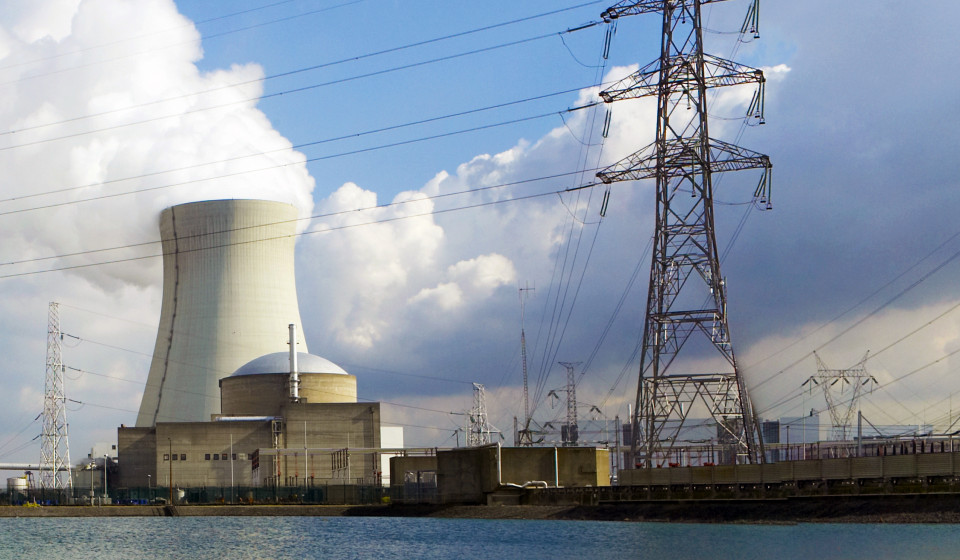
Final shutdown of Doel 1 and Doel 2
On 30 November 2025, Doel 2 was permanently disconnected from the electricity grid after 50 years of production. Doel 2 is the fifth Belgian nuclear reactor for industrial electricity production in our country to be permanently decommissioned. On Friday 14 February 2025, Electrabel permanently shut down the Doel 1 nuclear reactor and disconnected it from the high-voltage grid after 50 years of electricity production.
50 years of Doel 1 in figures
445 megawatt power
15 124 electricity generation days
148 billion kilowatt hours produced
More than 120 000 rigs to be decommissioned for Doel 1 and 2 combined
50 years of Doel 2 in figures
445 megawatt power
14 982 electricity generation days
149 billion kilowatt hours produced
More than 120 000 rigs to be decommissioned for Doel 1 and 2 combined
How it began
The history of the industrial electricity production through nuclear power in Belgium - begins in the mid-1960s, when the energy companies Ebes and Intercom start preparatory studies for the construction of two nuclear power plants, one on the banks of the Scheldt in Doel and one on the banks of the Meuse in Tihange.
At the end of 1968, they proceed to order the Doel 1 and 2 nuclear reactors, each with a capacity of 392.5 MW. For the design and construction, the Belgian companies ACEC and Cockerill cooperate with the US company Westinghouse.
In the summer of 1969, the construction site was opened on raised ground in the Doelpolder on the left bank of the Scheldt. Using 1 million cubic metres of sand from the riverbed, the site was raised to 9 metres above sea level.
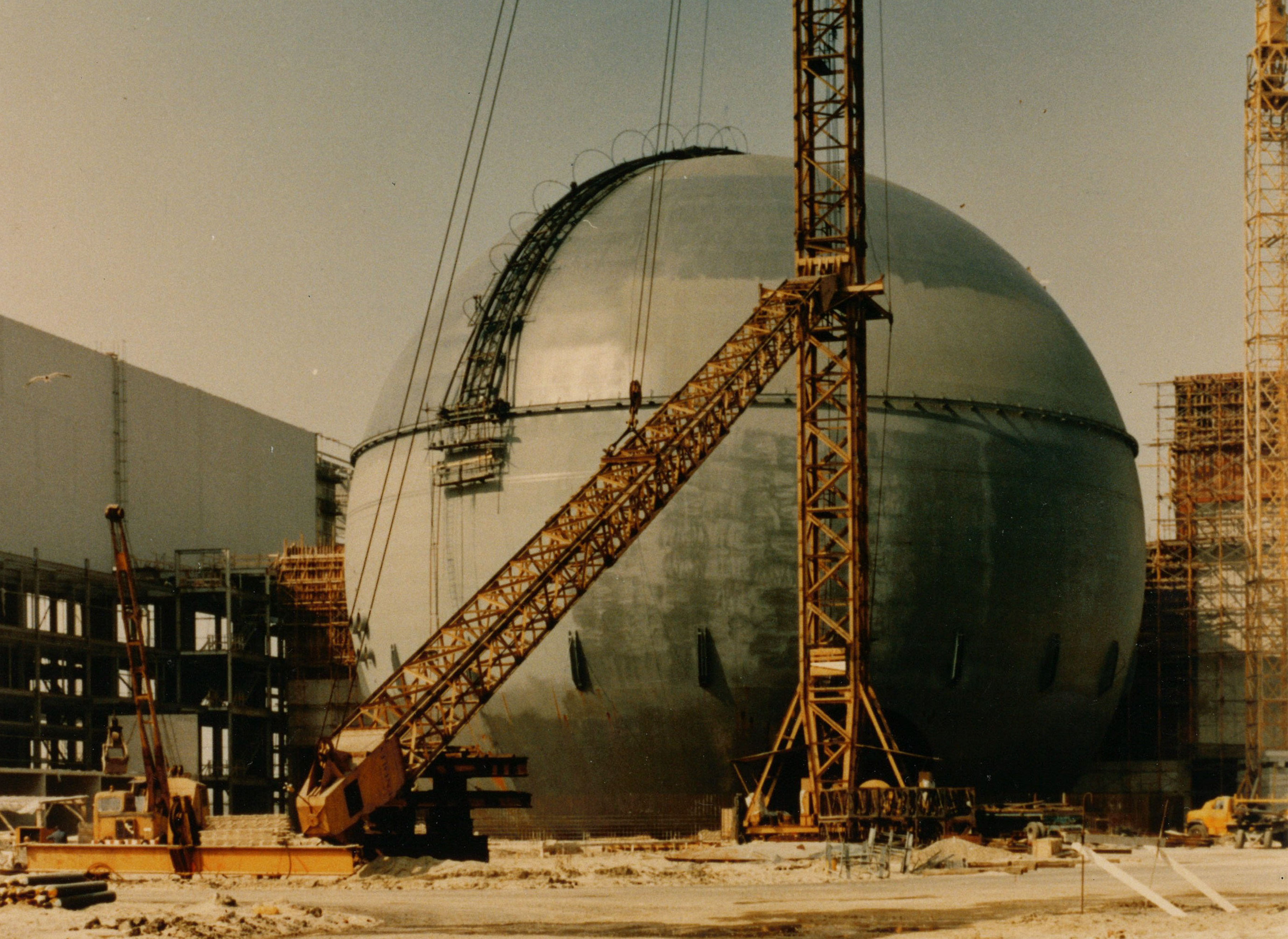
In 1971, construction of the Doel 2 reactor building was in full swing. A spherical structure with a diameter of 46 metres and a weight of 1,500 tonnes was erected on the site to house the reactor and the primary cooling circuit. Also under construction: the machine room, the water catchment, the Mechanical Auxiliary Services Building and several administrative and technical buildings that the unit will share with its 'twin' Doel 1.
In 1972, the reactor vessels for Doel 1 and Doel 2 arrive at the site, followed by steam generators, emergency diesel generators, the alternator and steam turbines.
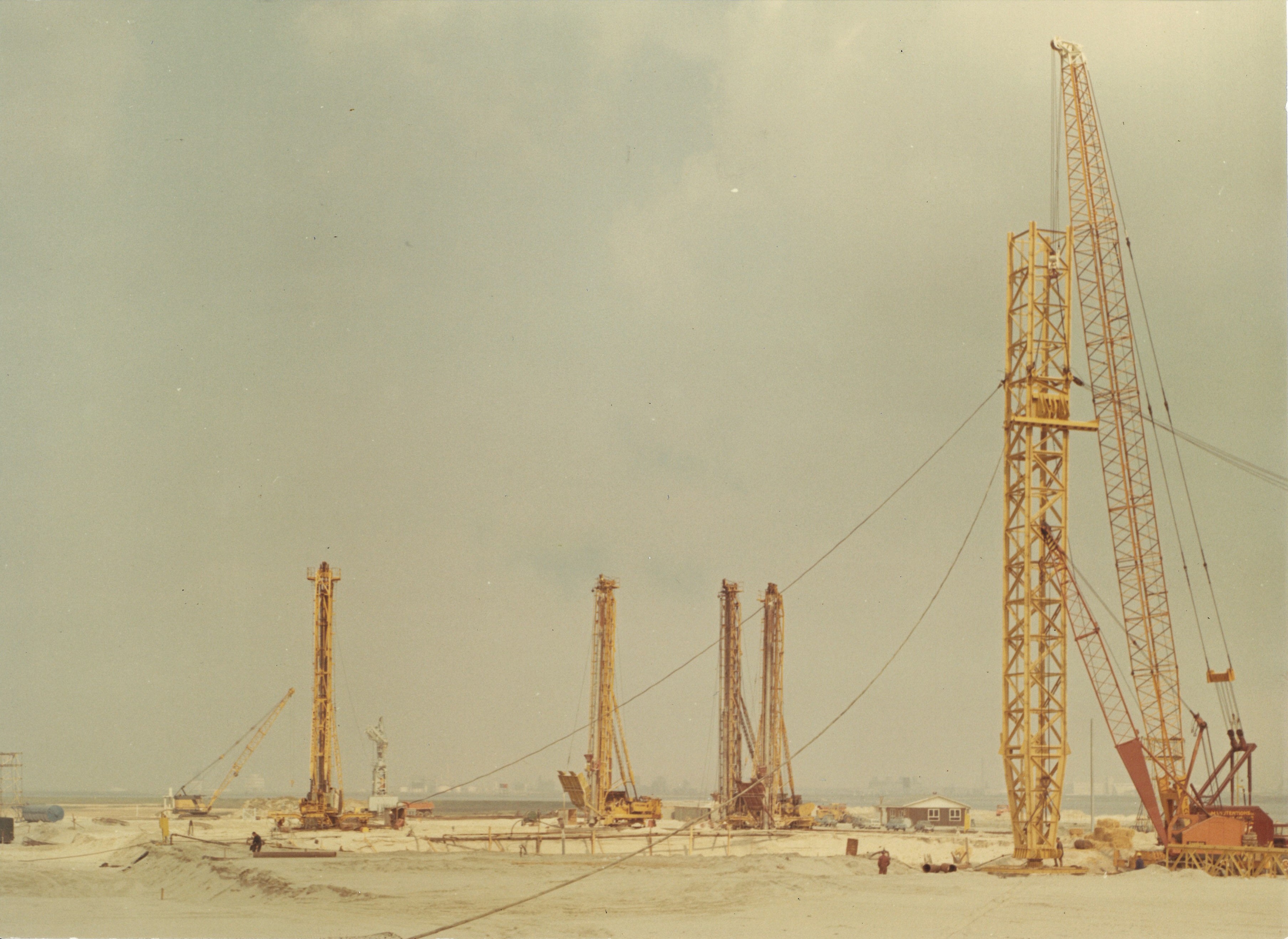
| 
|
On 18 June 1974, the Doel 1 reactor reached criticality for the first time, i.e. a stable nuclear chain reaction, in which each fission releases one neutron that in turn fissions another nucleus. Doel 2 follows on 4 August 1974.
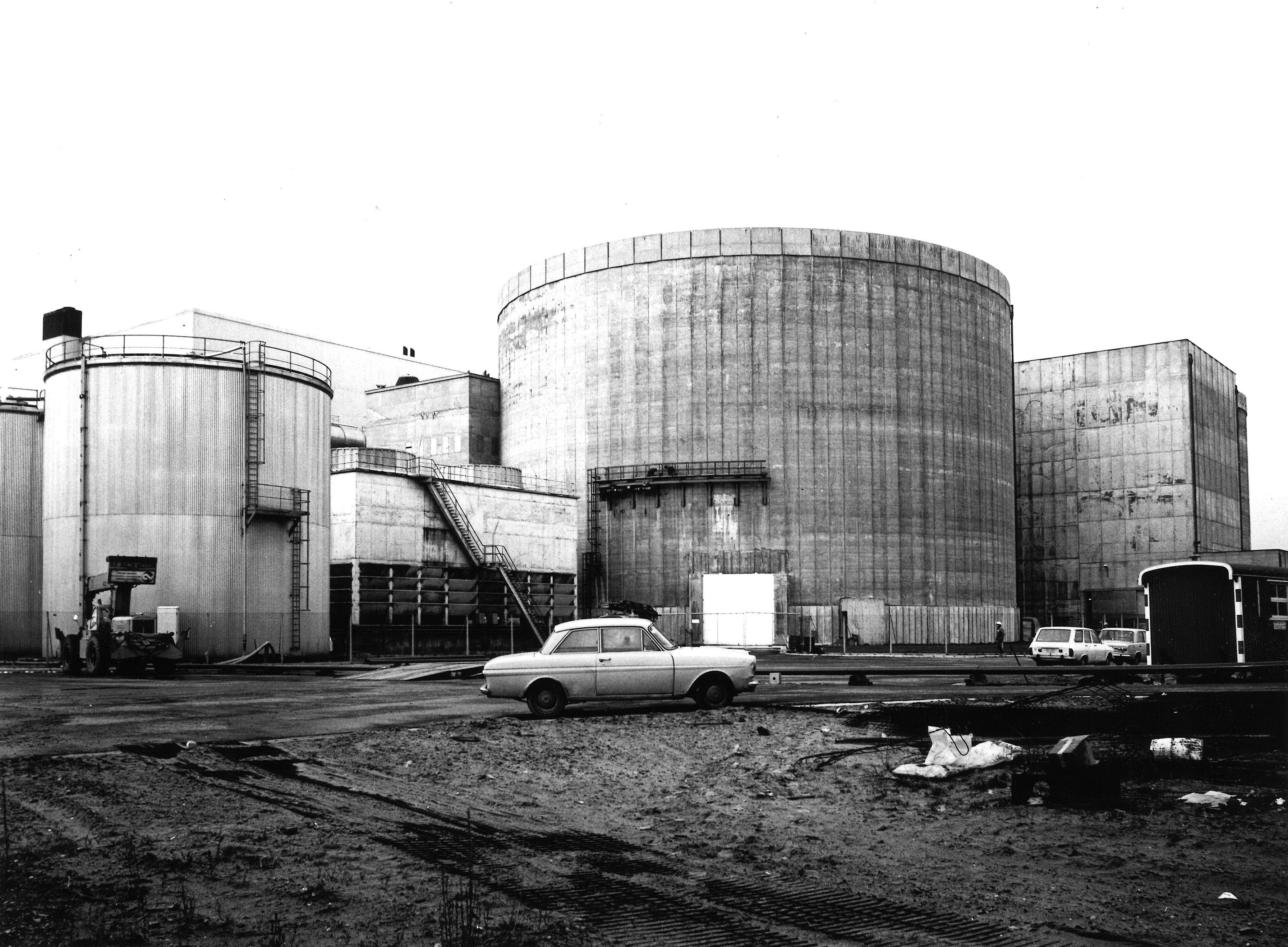
On 15 February 1975, Doel 1 officially starts industrial electricity production; its 'twin' Doel 2 follows in the autumn.
On 8 July 1993, Doel 1 and 2 together supplied their 100 billionth kilowatt hour to the Belgian high-voltage grid.
In 1996, the Doel 2 alternator was fitted with a new rotor.
In 2004, Electrabel replaced the two steam generators at Doel 2 with new ones. The replacement was carried out through large openings in the steel and concrete layers of the reactor building dome.
10 years added
In February 2007, Doel 1's counter reached the milestone of 100 billion kilowatt-hours of electricity produced. With the plant's good performance in mind, in 2009 Electrabel began preparing a file for an extension of the plant's operation beyond its 40th anniversary in 2015. The nuclear phase-out law has stipulated since early 2003 that Doel 1 and Doel 2 must permanently stop producing electricity on that anniversary, but the company's management agreed with the Van Rompuy government that that mandatory shutdown date would be postponed by 10 years. In the same year, Electrabel also replaces Doel 1's 2 steam generators - a technical feat that requires, among other things, making (and again hermetically sealing) an opening in the roof of the double-walled reactor building.
In 2012, the Federal Agency for Nuclear Control (FANC) approves the extension file after a thorough review. Shortly afterwards, however, the Di Rupo government decides that Doel 1 and 2 must close permanently in 2015 after all. The extension action plans are put away; in their place, Electrabel now starts preparing for the final shutdown and decommissioning.
A new twist follows in late 2014: the brand-new Michel government includes in its coalition agreement an extension of the operation of Doel 1 and 2 in order to ensure the country's energy supply. However, it takes time to change the law on nuclear exit, so on 15 February 2015 - exactly on Doel 1's 40th anniversary - the reactor is shut down and the plant is disconnected from the high-voltage grid.
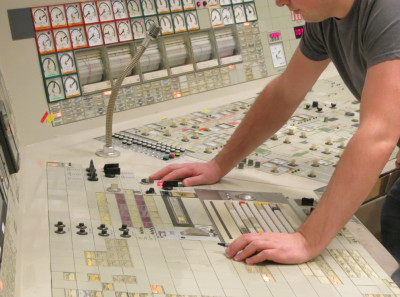
In mid-2015, the federal parliament approved the amendment to the nuclear exit law: Doel 1 and its 'twin' Doel 2 would be allowed to remain in service until their 50th anniversary in 2025. In the meantime, Electrabel updated the previously prepared extension file for Doel 1 and 2 - which had to be put away in 2012 - and resubmitted it to the FANC. In autumn 2015, FANC and its Scientific Council approved this file and the accompanying action plan. The action plan provides for spreading the necessary modifications and upgrades of the facilities over several years; as it requires time to recruit staff, order new fuel and spare parts and attract specialised suppliers. Some priority actions will still be carried out in 2015, before the go-live, but the real focus is on two long overhauls in the summers of 2018 and 2019. After the successful completion of the action plan, Electrabel will submit its final report to the FANC in spring 2020.
In 2020 and 2022, the FANC will expand the existing Royal Decree on safety requirements for nuclear facilities by adding a set of new requirements, applicable to all nuclear power plants applying for a shutdown extension in the future. The oldest units - Doel 1 and 2 and Tihange 1 - do not meet these new standards.
The sequel
The life cycle of a nuclear power plant extends from construction to the moment the site is released for other activities. For Doel 1 and 2, this covers a period of approximately 70 years.
Related articles
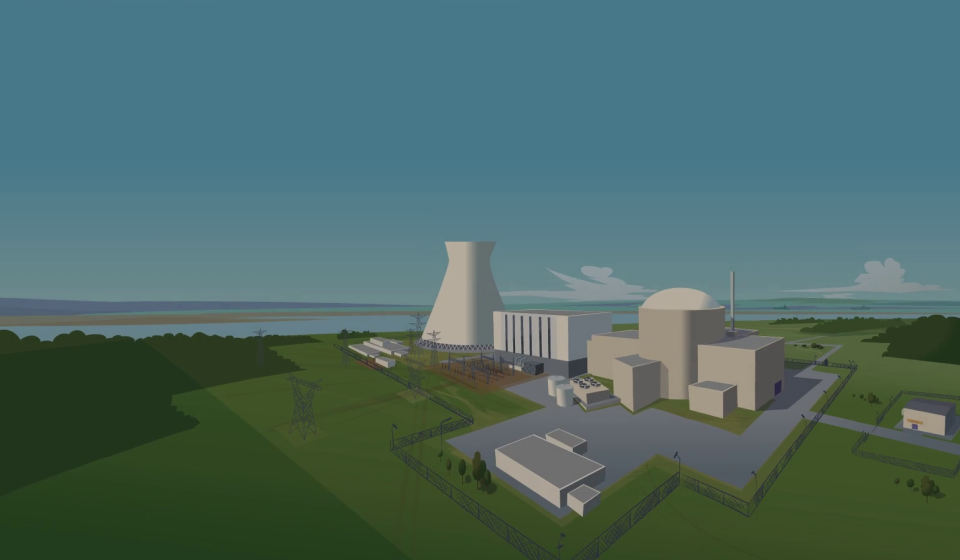
The shutdown and decommissioning of a nuclear power plant